

Can crusher wear parts be used in wet crushing processes? That's a question I get asked a lot as a supplier of Crusher Wear Parts. In this blog, I'll dive deep into this topic, sharing some insights and practical advice based on my experience in the industry.
First off, let's understand what wet crushing processes are. Wet crushing is commonly used in various industries, like mining and construction. It involves adding water to the material being crushed. There are a few reasons for this. One, it helps reduce dust, which is a major safety concern in these industries. Dust can cause respiratory problems for workers and also has environmental implications. Two, it can improve the efficiency of the crushing process in some cases. The water can act as a lubricant, allowing the material to flow more easily through the crusher and reducing the amount of energy needed for crushing.
Now, the big question: can our crusher wear parts handle wet crushing? The short answer is, in most cases, yes. But there are some important factors to consider.
Material Compatibility
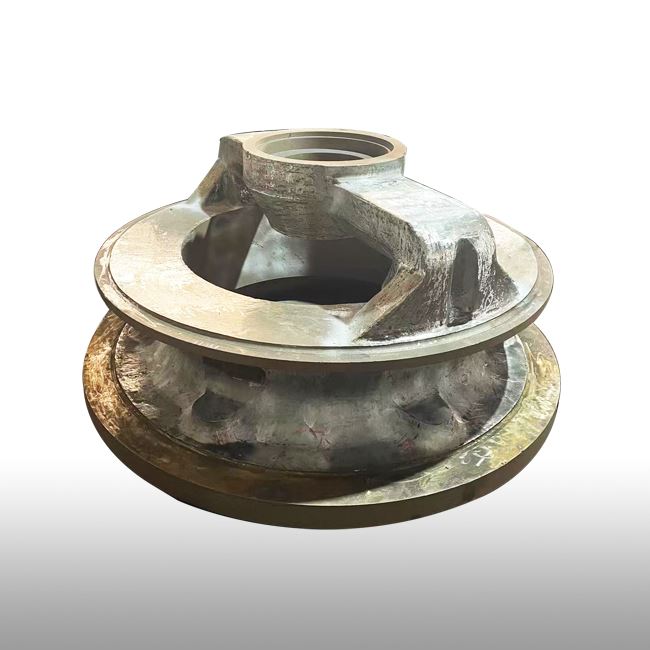
The materials used to make our crusher wear parts are carefully selected to withstand the rigors of both dry and wet crushing. For example, our Upper And Lower Frame For Cone Crusher is made from high - quality alloys that are resistant to corrosion. In a wet crushing environment, water can cause corrosion if the materials aren't up to the task. Our frames are treated and engineered to resist this, ensuring a long service life even when constantly exposed to water.
Similarly, our Mining Crusher Parts Hammerhead is made from tough, wear - resistant materials. The combination of high - strength steel and advanced heat - treatment processes gives the hammerhead the ability to maintain its shape and performance in wet conditions. The water in the wet crushing process might actually help cool the hammerhead during operation, reducing the risk of overheating and premature wear.
Design Considerations
The design of our crusher wear parts also plays a crucial role in their suitability for wet crushing. Our Cone Crusher Wear Parts are designed with proper drainage channels. When water is added during the wet crushing process, these channels allow the water to flow out smoothly, preventing the build - up of water inside the crusher. This is important because a build - up of water can cause the material to clog the crusher, reducing its efficiency and potentially damaging the wear parts.
Maintenance in Wet Crushing
Just because our crusher wear parts can be used in wet crushing doesn't mean they don't require special maintenance. In a wet environment, there's a higher risk of debris and sediment build - up. For example, small particles of the crushed material can mix with the water and form a sludge that can stick to the wear parts. Regular cleaning is essential to prevent this build - up.
We recommend using high - pressure water jets to clean the wear parts after each shift or at regular intervals, depending on the intensity of the wet crushing operation. This helps remove any accumulated debris and keeps the parts in good working condition.
Another aspect of maintenance is checking for signs of corrosion. Even though our parts are corrosion - resistant, it's still a good idea to inspect them regularly. Look for any discoloration or pitting on the surface of the parts. If you notice any signs of corrosion, it's important to take action immediately. This might involve applying a corrosion - resistant coating or replacing the part if the damage is severe.

Performance in Wet Crushing
In terms of performance, our crusher wear parts often perform well in wet crushing processes. The water can help reduce the friction between the wear parts and the material being crushed. This means less wear and tear on the parts, which can extend their service life.
However, it's important to note that the type of material being crushed also affects performance. Some materials might react differently to the water in the wet crushing process. For example, certain clay - rich materials can become very sticky when wet, which can increase the load on the crusher and the wear parts. In such cases, it might be necessary to adjust the operating parameters of the crusher, such as the feed rate or the crushing force, to ensure optimal performance.
Cost - effectiveness
Using our crusher wear parts in wet crushing processes can be cost - effective in the long run. Since the parts are designed to withstand wet conditions, you don't have to replace them as frequently. This reduces the overall cost of operation.
Also, the improved efficiency of the wet crushing process can lead to cost savings. As mentioned earlier, the water can act as a lubricant, reducing the energy consumption of the crusher. This means lower electricity bills and a more environmentally friendly operation.
Conclusion
So, to sum it up, our crusher wear parts can definitely be used in wet crushing processes. They are made from high - quality, corrosion - resistant materials, designed with features that accommodate wet conditions, and can offer good performance and cost - effectiveness.
If you're considering using wet crushing in your operation or are already using it and need reliable crusher wear parts, I encourage you to get in touch with us. We can provide you with more detailed information about our products and how they can meet your specific needs. Whether you have questions about installation, maintenance, or performance, our team of experts is here to help.
Don't hesitate to reach out to discuss your requirements and start a procurement process. We're committed to providing you with the best crusher wear parts for your wet crushing operations.
References
- Industry research on crusher wear parts in wet and dry conditions.
- Internal product testing reports from our R & D department.
- Feedback from customers using our products in wet crushing processes.