

Hey there! As a supplier of Jaw Crusher Wear Parts, I often get asked about the safety precautions to take when replacing these parts. It's a crucial topic because replacing wear parts isn't just about getting the job done; it's about doing it safely. So, let's dive right into it.
Before Starting the Replacement
First things first, safety starts even before you lay a finger on the jaw crusher. The initial step is to power down the machine completely. This might seem like a no - brainer, but you'd be surprised how many accidents happen because someone forgot to turn off the power. Make sure to switch off the main electrical supply and lock out the switch. This is known as a lock - out/tag - out procedure. You put a lock on the switch so that no one can accidentally turn it on while you're working. And don't forget to tag it with a warning sign that says something like "Do not operate - maintenance in progress."
Next, you need to relieve any hydraulic pressure in the system. Jaw crushers often use hydraulic systems for adjusting the gap between the jaws and for other functions. If there's still pressure in the hydraulics when you start working, it can cause sudden movements, which can be extremely dangerous. Check the machine's manual to find out the proper way to relieve this pressure. Usually, it involves opening a specific valve or using a particular control.
Another important pre - replacement safety measure is to clear the area around the crusher. Remove any debris, tools, or other objects that could be in the way. A cluttered workspace can lead to trips, falls, or other accidents. You also want to make sure there's enough room to move around the crusher comfortably. This will make the replacement process much easier and safer.
Handling the Wear Parts
Once you've prepped the crusher and the workspace, it's time to start handling the wear parts. These parts can be heavy and awkward to move. That's why you need to use the right lifting equipment. A hoist or a forklift can be great tools for moving large jaw crusher wear parts. But before you use any lifting equipment, make sure it's in good working condition. Check for any signs of damage, like frayed cables on a hoist or a malfunctioning forklift.
When you're lifting the wear parts, always follow the proper lifting techniques. Keep your feet shoulder - width apart, bend your knees, and lift with your legs, not your back. If the part is too heavy for one person, get some help. Don't try to be a hero and lift it on your own, as this can lead to serious back injuries.
Also, be careful when handling the wear parts because they can have sharp edges. Wear thick, cut - resistant gloves to protect your hands. And if the parts are hot (which can happen if the crusher was running recently), use heat - resistant gloves and give the parts time to cool down before you start handling them.
Removing the Old Wear Parts
Now, let's talk about actually removing the old wear parts. Start by loosening and removing any bolts or fasteners that are holding the parts in place. Make sure to keep all the bolts and nuts in a safe place, like a small container, so you don't lose them. You might want to label them to make it easier to put the new parts in correctly later.
When you're using tools like wrenches or sockets, make sure they fit properly. Using the wrong size tool can cause it to slip, which can lead to injuries. And always use the tools in the correct way. For example, don't use a wrench as a hammer.
As you're removing the old wear parts, be aware of how they're coming loose. Some parts might fall or shift suddenly. You can use blocks or support brackets to keep the parts stable as you're removing them. And keep a safe distance from the area where the part is coming loose in case it falls unexpectedly.
Installing the New Wear Parts
Once the old parts are out, it's time to install the new ones. Again, use the right tools and follow the correct procedures. Make sure the new wear parts are clean and free of any dirt or debris before you install them.
When placing the new parts, align them correctly. This is usually very important for the proper functioning of the jaw crusher. Misaligned parts can cause uneven wear and tear on the crusher and can even lead to breakdowns. Refer to the machine's manual for the exact alignment specifications.
After you've placed the new parts, start tightening the bolts and fasteners. But don't over - tighten them. Over - tightening can cause damage to the parts or the crusher itself. Use a torque wrench to ensure that you're tightening the bolts to the correct torque value, which is usually specified in the manual.
Post - Installation Checks
Once the new wear parts are installed, it's not time to just start the crusher up right away. You need to do a thorough post - installation check. First, visually inspect all the parts to make sure they're installed correctly. Check for any loose bolts, misaligned parts, or other obvious issues.
Next, check the crusher's lubrication system. Make sure there's enough lubricant in all the necessary areas. Proper lubrication is essential for the smooth operation of the crusher and can prevent premature wear of the new parts.
If the crusher has a hydraulic system, check the fluid levels and make sure there are no leaks. A hydraulic leak can not only cause the system to malfunction but can also be a safety hazard.
Finally, do a test run of the crusher. Start it up slowly and listen for any unusual noises or vibrations. If you notice anything strange, shut the crusher down immediately and investigate the problem.
Other Related Wear Parts
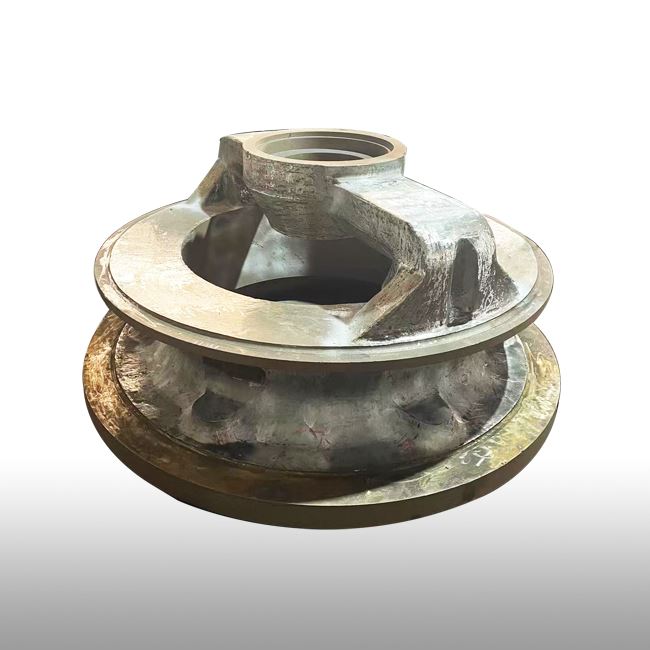
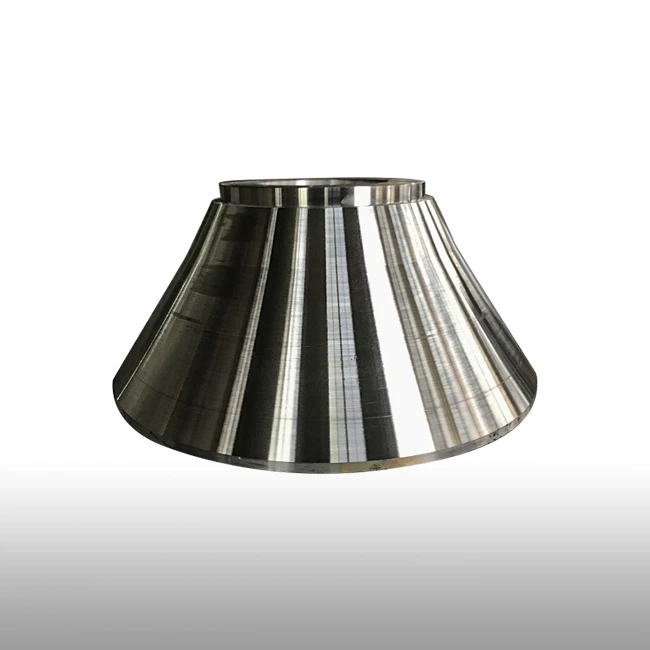
If you're in the market for other types of crusher wear parts, we've got you covered. We also offer Cone Crusher Wear Parts and Upper And Lower Frame For Cone Crusher. And if you need a wide range of Crusher Spare Parts, we can supply those too.
Conclusion
Replacing jaw crusher wear parts is a task that requires careful attention to safety. By following these precautions, you can minimize the risk of accidents and ensure that the replacement process goes smoothly. If you have any questions about the safety procedures or about our jaw crusher wear parts, don't hesitate to reach out. We're here to help you keep your crushers running safely and efficiently. If you're interested in purchasing our high - quality jaw crusher wear parts or other related products, feel free to contact us for a detailed discussion. We're looking forward to working with you!
References
- Manufacturer's manuals for jaw crushers and related equipment
- Safety guidelines provided by industry standards organizations