

As a supplier of Impact Crusher Wear Parts, I've been deeply involved in the industry for quite some time. One question that often comes up in discussions with clients and industry peers is whether there are any environmental impacts associated with replacing impact crusher wear parts. In this blog, I'll explore this topic in detail, drawing on my experience and knowledge of the industry.
Understanding Impact Crusher Wear Parts
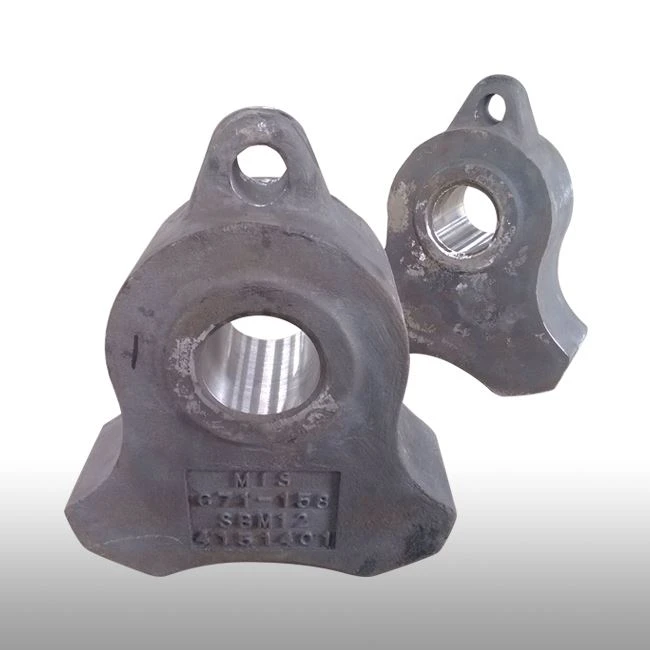
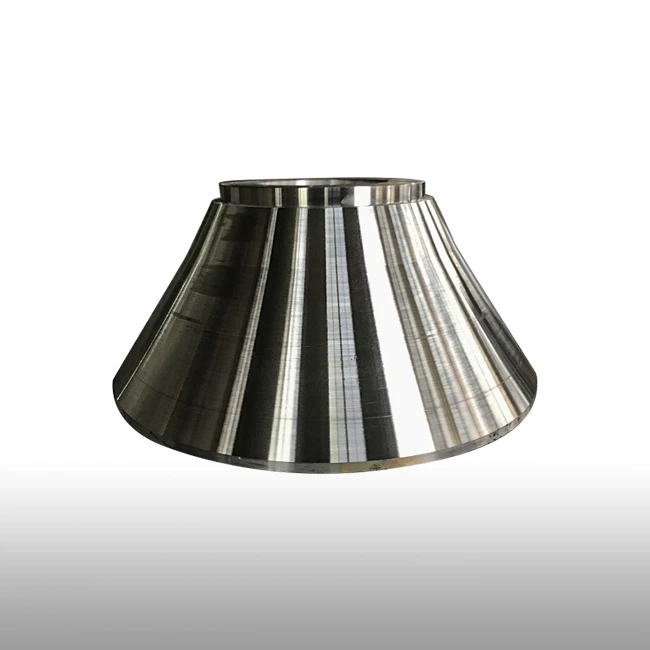
Impact crushers are widely used in the mining, construction, and recycling industries to break down large rocks and other materials into smaller, more manageable pieces. These crushers rely on a series of wear parts, such as hammers, blow bars, and liners, to deliver the high - impact forces necessary for efficient crushing. Over time, these wear parts inevitably wear out due to the constant abrasion and impact they endure. When the wear parts reach the end of their useful life, they must be replaced to maintain the crusher's performance.
Environmental Impacts of Manufacturing Wear Parts
The first aspect to consider when discussing the environmental impact of replacing impact crusher wear parts is the manufacturing process. Producing high - quality wear parts requires a significant amount of energy and raw materials. Most impact crusher wear parts are made from alloys such as manganese steel, chromium steel, or high - carbon steel. The extraction of these raw materials, mainly from mining operations, can have a substantial environmental footprint.
Mining activities often involve deforestation, soil erosion, and water pollution. For example, the extraction of iron ore, a key component in steel production, can lead to the destruction of natural habitats and the release of heavy metals into water sources. Moreover, the smelting and refining processes used to turn these raw materials into usable alloys are energy - intensive. These processes typically rely on fossil fuels, which contribute to greenhouse gas emissions and climate change.
Waste Generation from Worn - Out Parts
Another significant environmental concern is the disposal of worn - out impact crusher wear parts. When these parts are no longer serviceable, they become waste. If not managed properly, this waste can end up in landfills, where it takes up valuable space and may leach harmful substances into the soil and groundwater over time.
However, many wear parts, especially those made of metal, can be recycled. Recycling offers a more environmentally friendly alternative to landfill disposal. By recycling worn - out impact crusher wear parts, we can reduce the demand for virgin raw materials and conserve energy. Recycling metals generally requires less energy compared to producing new metals from scratch. For instance, recycling steel can save up to 75% of the energy needed for primary steel production [1].
Energy Consumption during Replacement
The process of replacing impact crusher wear parts also consumes energy. This includes the energy used to transport the new parts to the crusher site and the energy required for the actual replacement operation. Heavy - duty equipment is often needed to remove and install wear parts, such as hammers and liners. This equipment typically runs on diesel or gasoline, emitting pollutants such as carbon monoxide, nitrogen oxides, and particulate matter.
Mitigating the Environmental Impacts
As a supplier of Impact Crusher Wear Parts, we are committed to minimizing the environmental impacts associated with our products. Here are some of the measures we take:
- Sustainable Manufacturing Practices: We work with our manufacturing partners to adopt more sustainable production methods. This includes using energy - efficient furnaces and reducing waste during the manufacturing process. For example, we encourage the use of scrap metal in the production of new wear parts to reduce the demand for virgin raw materials.
- Recycling Programs: We offer recycling programs for our customers. When customers return their worn - out wear parts to us, we ensure that they are recycled in an environmentally responsible manner. This not only reduces waste but also helps to close the loop on the material lifecycle.
- Product Design for Longevity: We invest in research and development to design wear parts that have a longer service life. By improving the durability of our products, we can reduce the frequency of replacements, thereby saving energy and raw materials in the long run.
Balancing Performance and Environmental Impact
While it's important to address the environmental impacts of replacing impact crusher wear parts, we also need to ensure that the performance of the crushers is not compromised. High - quality wear parts are essential for the efficient operation of impact crushers. Using sub - standard or poorly designed wear parts can lead to increased energy consumption, reduced productivity, and more frequent breakdowns.
As a supplier, we strive to find the right balance between environmental sustainability and product performance. Our Mining Crusher Parts Hammerhead and other wear parts are engineered to provide maximum performance while minimizing their environmental footprint. We use advanced manufacturing techniques and high - quality materials to ensure that our products last longer and perform better, reducing the need for frequent replacements.
Conclusion
In conclusion, there are indeed environmental impacts associated with replacing impact crusher wear parts, including those related to manufacturing, waste generation, and energy consumption. However, by implementing sustainable practices such as recycling, using energy - efficient manufacturing processes, and designing long - lasting products, we can significantly reduce these impacts.
At our company, we are dedicated to providing our customers with high - quality Crusher Spare Parts while also being environmentally responsible. If you're in the market for impact crusher wear parts or have any questions about our products and their environmental impact, we invite you to contact us for a detailed discussion. We look forward to working with you to find the best solutions for your crushing needs while minimizing the environmental footprint.
References
[1] World Steel Association. "Recycling: A Sustainable Solution." Accessed [Date].